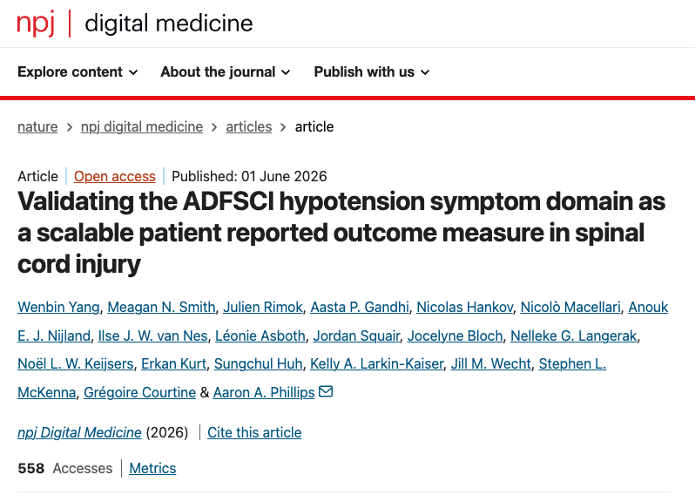
Peer-reviewed evidence that a patient-reported instrument can screen for blood pressure instability after spinal cord injury remotely and at a population scale.
Our team has published new work in npj Digital Medicine, a Nature Portfolio journal with a 2024 impact factor of 15.1 and a five-year figure of 17.0, placing it in the top quartile of its field. The study validates the hypotension symptom domain of the ADFSCI questionnaire, a symptom survey built for spinal cord injury, as a patient-reported outcome measure for low blood pressure.
What we found. Against head-up tilt testing, the clinical gold standard, the instrument discriminated orthostatic hypotension with an area under the curve of 0.72, with high internal consistency and minimal floor or ceiling effects. It then held its performance across a real-world cohort spanning 29 countries. Deployed at scale, it also surfaced a striking pattern. Women with spinal cord injury carried 2.5 times the odds of high symptom burden compared with men, independent of injury level.
Why it matters for research teams. Validated, decentralized outcome capture is the bottleneck in modern study design. This work demonstrates that a research-grade symptom instrument can be deployed remotely, at a population scale, without sacrificing measurement quality. That is the standard ResearchAlly is built around.
[Read the paper] https://www.nature.com/articles/s41746-026-02841-w
Talk to us. Building a decentralized study in neurology or rehabilitation. Get in touch.
Exciting news! ResearchAlly has receivedan investment of $1.8 million from BrainCanada!
We’re honoured to partner with BrainCanada to advance digital brain research infrastructure. This funding will helpus continue to deliver mobile health tools that make real-world clinicalresearch faster, more accessible, and less burdensome for both researchers andparticipants.
Learn more here: https://lnkd.in/ehM4dzvN
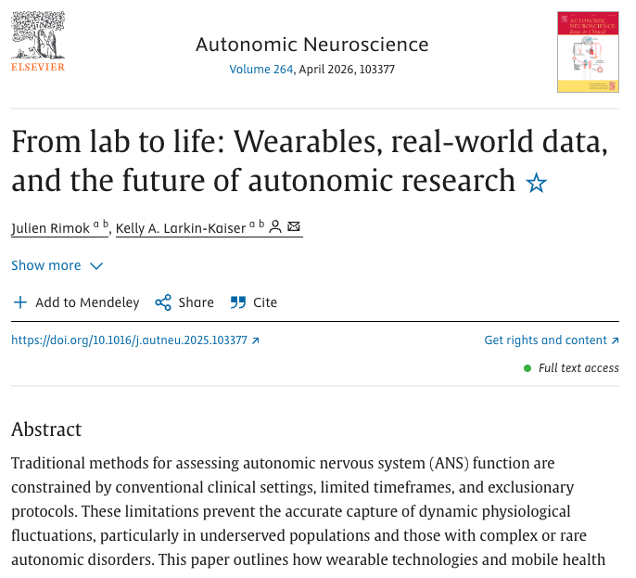
Too often, autonomic disorders go undiagnosed and under-researched because conventional tools fail to capture what truly matters: how symptoms fluctuate in daily life, in diverse environments, and among underrepresented populations.
In this paper, we highlight how platforms like ResearchAlly, in combination with wearable biosensors are not just enhancing research - they are redefining it.
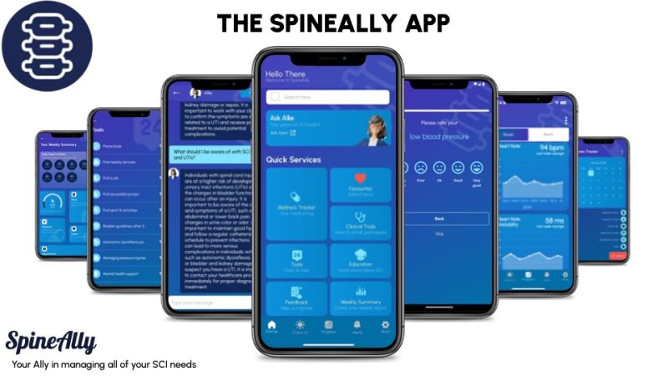
Too often, autonomic disorders go undiagnosed and under-researched because conventional tools fail to capture what truly matters: how symptoms fluctuate in daily life, in diverse environments, and among underrepresented populations.
In this paper, we highlight how platforms like ResearchAlly, in combination with wearable biosensors are not just enhancing research - they are redefining it.
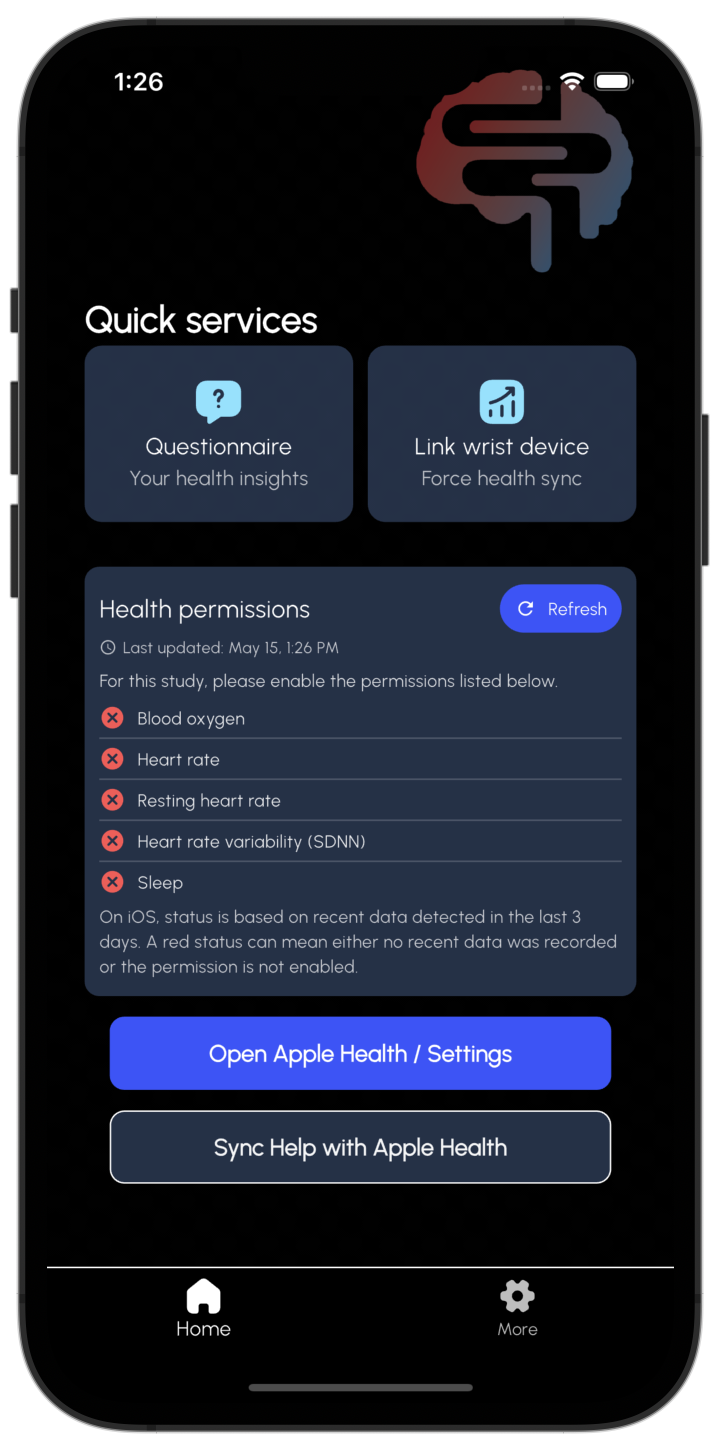
The EMMrGNSi team is committed to improving the health and well-being of first responders through rigorous research and community collaboration. Our goal is to work together with our local first responder advocacy group and policy makers to engage meaningfully with first responder participants and develop a series of participant-driven studies, along with constructive knowledge mobilization programs that will adequately uncover answers to the concerns this group has regarding their health. Our studies focus on critical areas such as mental health, gut health, nutrition, and sleep issues. We aim to recruit first responders for our studies, ensuring their voices shape the research that affects their health and well-being.
Interested in learning more, click here: janveaux@ualberta.ca
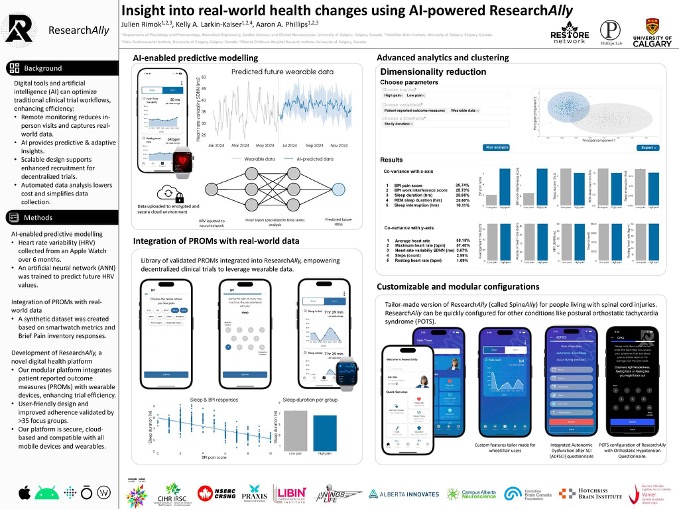
Too often, autonomic disorders go undiagnosed and under-researched because conventional tools fail to capture what truly matters: how symptoms fluctuate in daily life, in diverse environments, and among underrepresented populations.
In this paper, we highlight how platforms like ResearchAlly, in combination with wearable biosensors are not just enhancing research - they are redefining it.